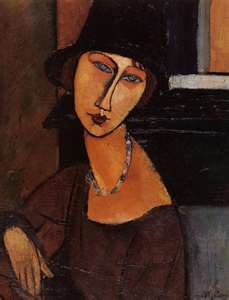
My obsession with Picasso continues and deepens. I don't know and don't care why. Trying to organize boxes of stuff from the garage, I discover more books, articles, reproductions, etc. from the past. Maybe time will bring some answers. Or not.
In 1955, I went off to live with my stepmother and half-sister and my dad who attended night school on the GI bill. One night after dropping him off at school, we went to the drive-in to see The Barefoot Contessa. It was a complicated movie involving a dancer who likes to go barefoot then becomes a famous actress and eventually marries an impotent count. He finds out she's been unfaithful when she turns up pregnant so he shoots her. By this time I was pretty confused so I asked Mom why he was so mad at her; she hesitated for a moment then answered, "His pecker was shot off." Oh, I thought, Oh my goodness.
If only I had a pink laptop
I'd write the great american novel
If only I could remember to buy lotto tickets
I'd be rich instead of so darn cute
If only I could find my missing computer disks
I'd be speaking spanish or german or both
If only I lived in a yurt
I'd have buckets of money in the bank
If only I'd been born smart
instead of so damn cute
I'd have the world by the tail
If only...
She wants to do it all and do it perfect. She wants to be the one that saves the world and is rewarded with a ticker tape parade down Fifth Avenue. She wants to stay up late and dance all night. She wants love and respect and someone to hold her hand at the movies. But most of all she just wants to quit crying and get on with life.
She quit school and dropped out of sight for a couple of years. We thought she might have gone off with some guy cause she was real pretty, with that red hair and those long legs. A real eye-catcher. Course she didn't stay very long with anybody. Soon as they said "marriage" she was out of there. Most folks thought she was afraid of being tied down but I always thought she just had a hunger for new and exciting. She didn't come around to see her mama very often, but when she did, she brought presents.
The sunbaked rocks soothe her sore muscles. Robert's still climbing, determined to reach the peak before midafternoon so he won't have to descend in darkness. She thinks about taking a nap but isn't comfortable being there alone. Recently a young girl went missing and before that two women were found murdered just outside the park. But in her heart she knows this is not what's really bothering her. The truth: her relationship is on the inevitable slide. Robert will become, like the others, a good friend, but not her real love, her last love, the one that will love her for who she is instead of the person they want her to be.
Faces with open mouths peer from walls; teeth bite into the afternoon. Sunlight creeps through the blinds while dust gathers on the tables, the floor, the walls; she waits for something, anything to break the silence in a world that seldom changes.
I live on the flight path of migrating geese and I don't understand their migration patterns. Here, at the end of summer, they are headed north, not south. Granted, they seem a bit out of control, veering first left then right, then who knows, calling to each other in some personal duck language. But I feel blessed to share in a small part of their journey and imagine for a moment what it would feel like to just take flight.
Washing the breakfast dishes, she stares out the kitchen window, searches the yard for the dog, finds her gnawing on a bone so large it's hard to picture what it might have been attached to. She's a farm dog, loves barking at the horses and digging for gophers in the flower bed when she's not chasing the small grey rabbit that lives under the metal storage shed. Hummingbirds have arrived, the most ever, darting around the feeder, then fleeing quickly back to the safety of the big oak tree. Life is not perfect, but its good. She's thankful and reminds herself to stay hopeful.
Published in 1966, this story captures an era we must never forget. David Champlin is a black man born into poverty in Depression-era New Orleans who makes his way up the ladder of success, only to sacrifice everything to lead his people in the civil rights movement. Sara Kent is the white girl who loves David from the moment she first sees him, and who struggles against his belief that a marriage for them would be wrong in the violent world he has to confront. This book will break your heart but you'll be glad you read it.
The man across the aisle doesn't speak, doesn't allow his eyes to make contact with fellow travelers, focuses instead on a small silver chain, threading it through his fingers again and again.
She touches his face, holds his hand, waits for the answering nod. She lights the fire under the kettle, places cups on the table, tea in the pot. Waiting for the whistle, she feels the silence in the room, the tension, fear, exhaustion. She understands she can't be sure but is also sure she's lost him for good this time.
She touches his face, searches for signs of sorrow, then holds his hand and waits for the answering nod. She lights the fire under the kettle, places cups on the table, drops tea leaves in the pot, and waits for the whistle. She feels silence in the room: tension, fear, exhaustion; she understands she can't be sure, but is sure, she's lost him for good.
Perfectly alright, or not. Perfectly awful and frightening and intense. Her eyes closing, the floor moving beneath her feet, the morning sun through the kitchen window separating day from night. And all she wants to do is go back to bed and sleep a dreamless sleep.
One way to live is to be part of
two which vanquishes loneliness unless there's
three which is just too many, yet
four is enough to play poker at
five when the sun begins setting and
six will be time for dinner
In my life I've waited tables, raised sons, taught school, published books, and railed at politicians. I'm building a house, next to my son, where I can spend time with my granddaughter. I read, write, and dream about being immortal.